Category: AI in Real Estate

  • Flyers Still Work: Designing Print and Digital Listing Flyers That Get Picked Up (Listing Marketing)

    Flyers Still Work: Designing Print and Digital Listing Flyers That Get Picked Up (Listing Marketing)

    Flyers Still Work: Designing Print and Digital Listing Flyers That Get Picked Up

    In a world dominated by digital marketing, it’s easy to dismiss traditional methods. Yet, a well-designed flyer can still be a powerful tool for real estate agents looking to boost their local reach and generate leads. The key is understanding how to adapt this classic marketing strategy for today’s buyers. This article explores the enduring relevance of listing flyers, covering design principles to digital distribution and measurement. Let’s uncover how to create flyers that get picked up and drive results.

    The Evolution of Listing Flyers

    The Rise of Digital Marketing

    The real estate landscape has transformed. Initially, advertising relied on print, newspaper ads, direct mail flyers, and bulletin boards. The internet, particularly real estate portals, shifted this paradigm. Buyers gained access to vast property inventories, searchable by price and location. While online channels remain dominant, many agents are rediscovering the value of targeted, localized print campaigns. This resurgence complements digital strategies. A flyer in a local coffee shop can reach potential buyers who might not be actively searching online. Flyers also showcase high-quality photography and descriptions more engagingly than website thumbnails. For more on creating content that resonates, check out our guide to a Just Listed Playbook.

    Designing Print and Digital Listing Flyers That Get Picked Up

    Tips for Effective Design

    The design of a listing flyer plays a crucial role in its effectiveness. Gone are the days of cluttered layouts and generic stock photos. Today’s buyers expect visually appealing, professional materials. A poorly designed flyer can be easily dismissed. The key is balancing aesthetics and functionality. One of the most important elements is high-quality photography. Professional photos showcase the property’s best features. Typography is also critical; choose easy-to-read fonts. Clear and concise headlines are essential for conveying key information at a glance. Keep text minimal, focusing on the address, price, bedrooms, bathrooms, and highlights. For ideas on presenting listings effectively, see our article on listing photos that sell.
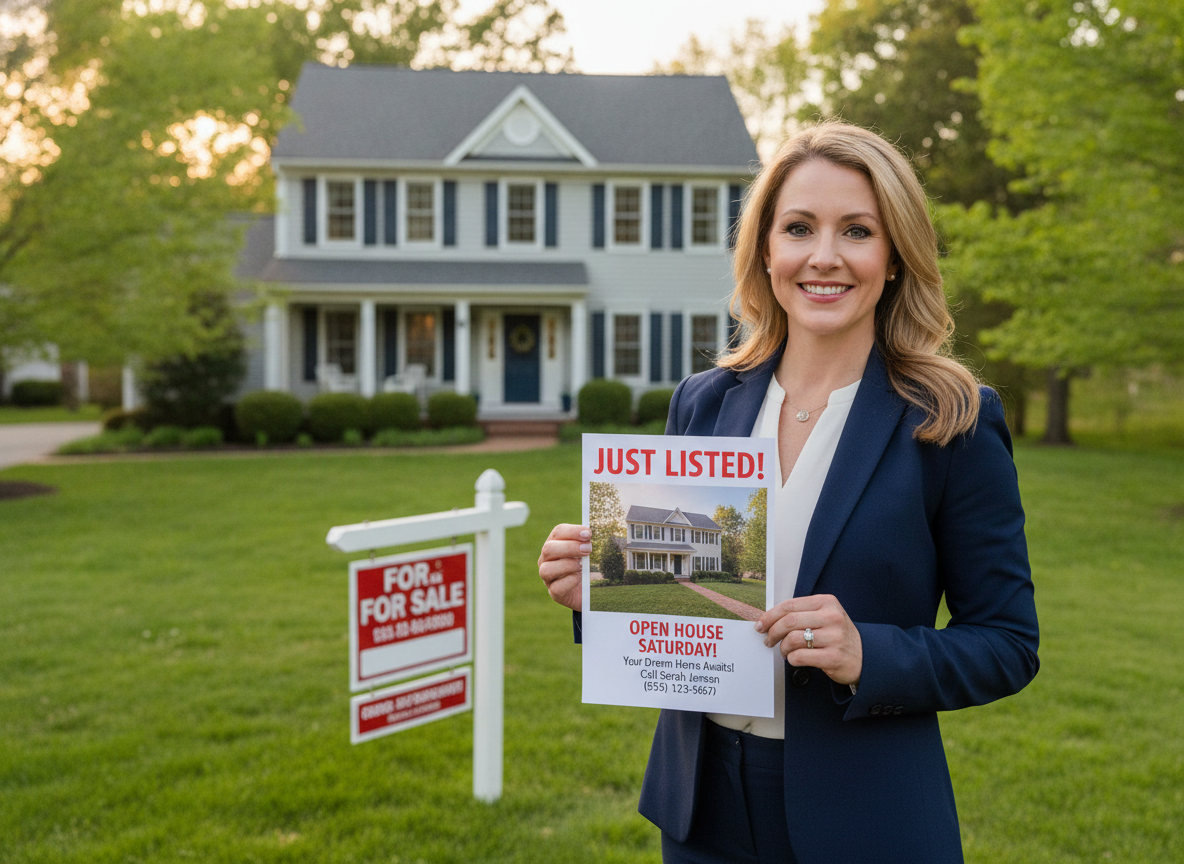
    real estate agent holding flyer

    Photo by Quixess Social

    For digital flyers, consider the platform. Flyers for social media should be optimized for mobile viewing, with a vertical format and call-to-action buttons. Flyers for email marketing should be lightweight and easily accessible. Include a clear call to action, a phone number, email address, or link to the online listing. Consider a QR code for a virtual tour. The platform can help you generate different flyer formats for various digital channels.

    Creating Flyers with QuixAgents

    How to Get Started

    Creating professional listing flyers can be time-consuming. The solution streamlines the process, offering a user-friendly interface and customizable templates. Agents upload listing photos and the platform automatically generates designs. These designs are customizable, allowing agents to adjust the layout, fonts, colors, and text. The platform’s AI-powered features generate headlines and descriptions, saving agents time. Agents can incorporate branding elements, ensuring consistency. This tool is beneficial for agents managing multiple listings. It allows them to maintain a consistent brand presence and efficiently promote each property. Once created, flyers can be downloaded in various formats for printing or digital distribution. The platform also provides analytics to track flyer performance. For additional tips on optimizing your listings, explore our guide to writing listing descriptions.

    female architect touching building sketch

    Measuring the Success of Your Flyers

    Tracking Engagement

    Measuring flyer effectiveness isn’t just about counting distributions; it’s about understanding how they influence buyer behavior. This requires a multifaceted approach, combining direct and indirect tracking methods. Direct tracking involves incorporating unique elements, like a QR code or a tracked phone number (e.g., “Text ‘HOMES’ to 555-123-4567 for a showing”). This allows you to attribute leads specifically to the printed material. Beyond direct responses, monitor website traffic and social media mentions following flyer distribution. While not definitive, it offers insight into the campaign’s broader reach. Consider a post-campaign survey asking buyers how they learned about the property.

    agent tracking flyer metrics

    Photo by Quixess Social

    Best Practices for Flyers in Today’s Market

    Staying Up-to-Date

    The real estate landscape is constantly evolving, and flyer marketing is no exception. Staying abreast of current trends and adapting your flyer strategy is vital. This means understanding how buyers consume information and tailoring your flyers to meet their expectations. Embrace modern design principles, clean, visually appealing designs with high-quality photography. Integrate digital elements like QR codes and social media handles. Personalize your flyers to appeal to the specific demographics of the neighborhood.

    person using stylus on tablet

    Conclusion

    Flyers continue to be an effective tool for real estate marketing. They offer a tangible, personal touch that digital channels often lack. By combining strategic design with careful tracking, you can harness the power of print to reach potential buyers and generate leads. Don’t underestimate the impact of a well-crafted flyer, it’s a valuable component of a comprehensive marketing strategy. To elevate your flyer game, start by incorporating unique identifiers and tracking methods. Experiment with modern design principles and integrate digital elements. Now, take what you’ve learned and start creating flyers that capture attention and drive results.

  • How to Market a Listing That Has Been Sitting Too Long (Listing Marketing)

    How to Market a Listing That Has Been Sitting Too Long (Listing Marketing)

    How to Market a Listing That Has Been Sitting Too Long: A Multi-Channel Strategy

    A listing that sits on the market for months sends a powerful signal to buyers: something is wrong. Whether it’s the home itself or a missed marketing strategy, stale listings carry psychological weight that price cuts alone cannot overcome. This guide walks you through a multi-channel strategy that repositions stale listings through fresh video content, local search authority, and automated cross-platform presence.

    Why Stale Listings Lose Momentum, and How to Restart It

    The Psychology of Days-on-Market

    Buyer perception shifts dramatically after a listing reaches 30-60 days on the market. Research shows homes lingering beyond this window carry a stigma. Buyers start asking: Why hasn’t this sold? Is there structural damage? The longer a home sits, the more scrutiny it faces and negotiating power shifts to buyers.

    The first 30 days generate the majority of serious inquiries. After that window closes, traffic drops sharply even if the property remains competitively priced. Price reductions don’t reach new buyers; they reinforce the perception that the home is undesirable. The solution is repositioning through fresh creative and new audience reach.

    Rebuild Appeal with Video Content That Speaks to Today’s Buyer

    Video Formats That Perform When Static Photos Have Already Failed

    Buyers scrolling social feeds ignore static images, especially if they’ve already seen them during the listing’s initial launch. Vertical video formats like Reels, Shorts, and TikTok reach younger buyer pools and first-time buyers who may not have engaged with the original listing push.

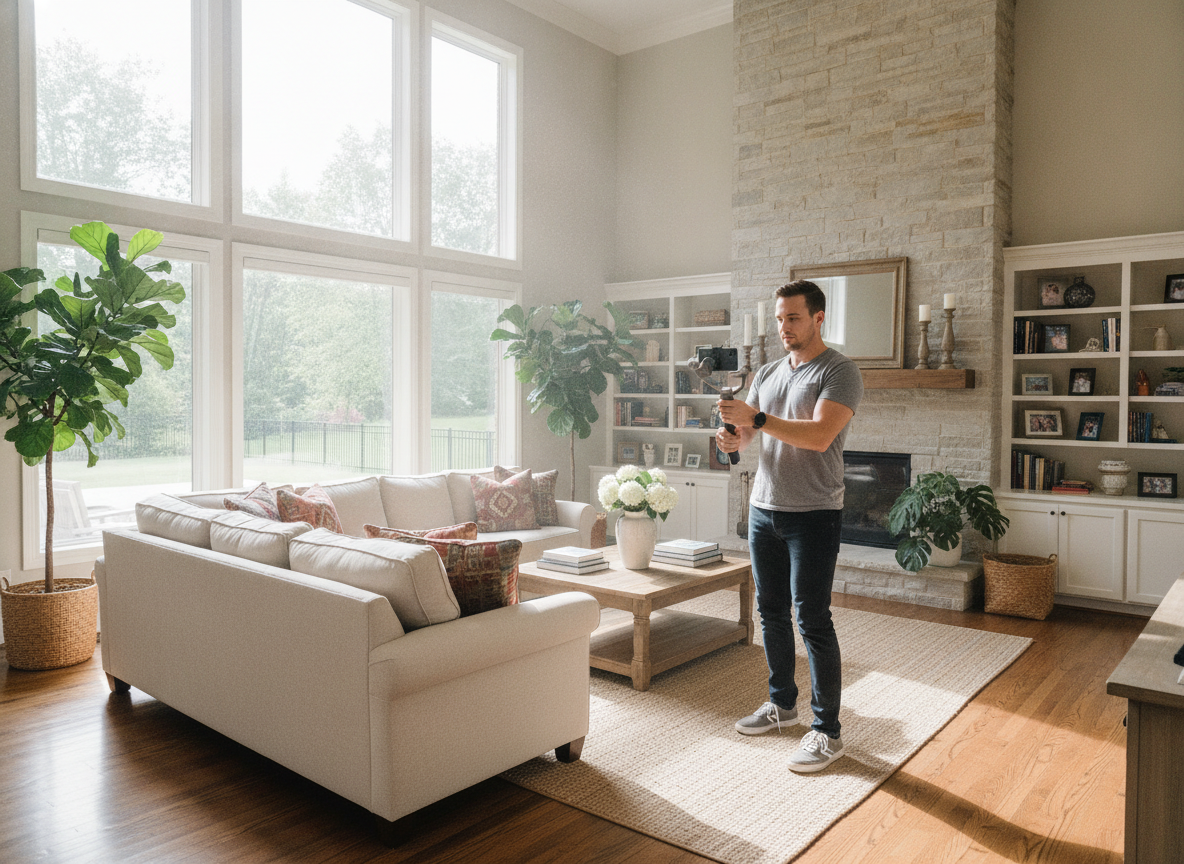
    real estate video production

    Photo by Quixess Social

    A fresh 30-second listing video resets the “new listing” feel, even though the home has been on market for months. Visual movement, music, and narrative framing create emotional connection that static posts cannot replicate.

    Tools That Turn Existing Listing Photos Into Scroll-Stopping Content

    Automated real estate video creation tools transform photo galleries into polished walkthroughs with motion, music, and overlays in minutes. QuixAgents turns existing listing photos into videos without requiring drone footage or professional editing, delivering ready-to-post vertical videos optimized for each social channel.

    This matters for stale listings because speed is critical. You don’t have time to reshoot; you need new assets live within days. A 15-photo listing becomes five different 30-second videos highlighting the kitchen, primary suite, outdoor space, walkthrough tour, and neighborhood context, each reaching different buyer segments.

    Claim Local Search Authority to Put Your Listing Back in Front

    Local SEO as a Listing Revitalization Tool

    Stale listings often remain invisible in local search because agents haven’t invested in building neighborhood authority. When a property sits longer than expected, new buyers still search for neighborhoods. A buyer typing “homes for sale in Riverside” needs to find your content, and your listing should appear alongside it.

    blue pushpin on map

    Local SEO blog content repositions your listing as part of a larger market narrative. Publishing neighborhood guides signals to Google that your agency understands that area, building authority that keeps listings visible during slower sales cycles.

    Neighborhood Content That Ranks and Drives Qualified Traffic

    Create a comprehensive neighborhood guide for the area where your stale listing sits, optimized for local search intent. When that guide ranks, buyers researching the area land on your content first, see your listing featured, and engage with your market knowledge.

    For example, a guide titled “The Complete Guide to Riverside: Schools, Parks, and Neighborhood Character” targets buyers searching for community information. QuixAgents can generate these guides from property data and neighborhood details, ensuring they’re optimized for Google ranking. Publishing this content establishes your listing within a broader market context, shifting perception from “this house has been sitting” to “this is an active listing in a neighborhood I’m an expert in.”

    Automate Your Presence Across Every Channel Without Burning Out

    The Cost of Manual Social Media Scheduling

    Relaunching a stale listing demands consistent posting across Instagram, Facebook, TikTok, and YouTube. Manual scheduling consumes hours every week. For most agents juggling multiple listings, this becomes a bottleneck. An agent earning $100,000 annually spends roughly $50 per hour on administrative work. Four hours weekly on manual social scheduling costs $10,000 per year in lost productivity.

    real estate agent social media

    Photo by Quixess Social

    How Agents Scale Consistent Posting Without the Admin Work

    Automated social media scheduling tools designed for real estate allow agents to plan multi-platform campaigns from a single dashboard. Once video and blog content are created, batch-create posts, set publication dates across all channels, and let automation handle distribution. Consistent, daily visibility rebuilds momentum and signals to algorithms that the listing is actively marketed.

    Sporadic viral posts generate noise; consistent posting over weeks generates algorithm trust and buyer familiarity. A stale listing needs sustained visibility more than flashy one-off content. Automation ensures every piece of newly created content reaches maximum audience without requiring daily manual effort.

    Conclusion

    A stale listing demands a complete marketing restart, not merely a price reduction. Video content breathes new life into tired imagery and reaches buyers scrolling social platforms. Local SEO blog posts establish market authority and bring qualified traffic directly to your listing. Automated scheduling ensures this renewed creative effort sustains momentum every day.

    The combination of video creation, neighborhood content generation, and multi-channel automation allows agents to reposition listings faster and more professionally. Agents who move quickly with fresh creative assets and expanded search visibility can recover momentum and reach buyers who missed the initial launch window.

    Start today: Identify your longest-sitting listing, create a 60-second property video, publish a neighborhood guide optimized for local search, and schedule a two-week content plan across your social channels.

  • Listing Photos That Sell: A Prep Checklist to Send Your Sellers (Listing Marketing)

    Listing Photos That Sell: A Prep Checklist to Send Your Sellers (Listing Marketing)

    Listing Photos That Sell: A Prep Checklist to Send Your Sellers (AI-Powered Real Estate Marketing)

    Listing photos are the first impression, and often the only impression, they make on buyers. Homes with weak photography languish on listing sites while professionally presented properties attract serious inquiries within days. A solid pre-shoot checklist ensures photos convert browsers into showings by presenting homes in their best light.

    Why Photo Quality Directly Impacts Your Listing’s Sales Cycle

    The Psychology of First Impression in Online Home Search

    Buyers spend an average of 6-8 seconds per photo when scrolling through listings online. Research shows that homes with high-quality professional photos receive 70% more inquiries than those with amateur snapshots, directly translating to more showings and faster sales. Photo quality sends a psychological signal to buyers about the property itself. Clear, well-lit photos communicate that the seller has maintained the home and cares about presentation, while dark, poorly composed images suggest neglect or hidden problems.

    How Professional Photos Reduce Time on Market

    Listings with professional photography spend significantly less time on the market. Properties with high-quality images generate more qualified leads, resulting in faster offer timelines and reduced carrying costs for sellers.

    The Pre-Shoot Preparation Checklist Your Sellers Need

    Decluttering and Depersonalization Essentials

    Before the photographer arrives, sellers need to dramatically reduce visual noise in every room. The goal is simple: help buyers envision themselves in the space rather than seeing the current occupants’ lives. Remove roughly 50% of visible personal items, family photos, children’s artwork, and memorabilia. Clear kitchen counters down to just 3-5 essential items maximum. Empty nightstands except for a single lamp. Remove kitchen magnets, post-it notes, and family calendars.

    home preparation cleaning staging

    Photo by Quixess Social

    Wall colors also deserve attention. Bold accent walls and dramatic finishes distract from the home’s architectural bones. Neutral, light-filled rooms photograph better than bold, personalized spaces.

    Lighting and Cleaning Priorities

    A clean home looks dramatically better under proper light. Have sellers prioritize deep cleaning before shoot day: baseboards, window tracks, light fixtures, and ceiling corners. Grime on windows reduces the impact of natural light. Instruct sellers to open all blinds and curtains to maximize natural light and turn on interior lights for balanced exposure. Ensure all bulbs function and use consistent warm white color temperatures. Key tasks: clean windows inside and out, wipe light switches and door handles, scrub bathroom fixtures, clean mirrors and glass, vacuum or mop every floor, and dust crown molding.

    Staging for Camera Appeal

    Remove excess furniture that makes rooms feel cramped. Bedrooms benefit from a made bed with neutral bedding and minimal pillows, appearing open enough for buyers to imagine their own furniture arrangement. Entryways should be clean and welcoming. Living rooms should show conversation-friendly furniture arrangements without feeling small. Kitchen islands or dining tables should be nearly empty. Ensure all doors open fully and aren’t blocked by furniture.

    Real Estate Video Creation Tools: Beyond Static Photos

    Why Video Expands Reach on Social Channels

    Video content generates 10x more engagement than photos on Instagram Reels, TikTok, and YouTube Shorts, platforms where today’s home shoppers spend significant time. A 15-30 second walkthrough video stops scrollers and compels them to watch, share, and ask questions. Real estate agents who prioritize video report higher click-through rates, increased showing requests, and faster time-on-market.

    professional video camera rig

    Turning Prepared Photos Into Multi-Format Content

    Modern real estate video creation tools, including QuixAgents, automatically detect rooms, add captions, music, and subtle motion to static images, creating polished walkthrough videos without requiring additional shoot time. The platform transforms a 20-photo shoot into vertical-format Reels, horizontal YouTube content, and social media announcements, maximizing the home’s appeal across all marketing channels.

    Room-by-Room Photo Shot List for Maximum Impact

    Priority Rooms That Sell Homes

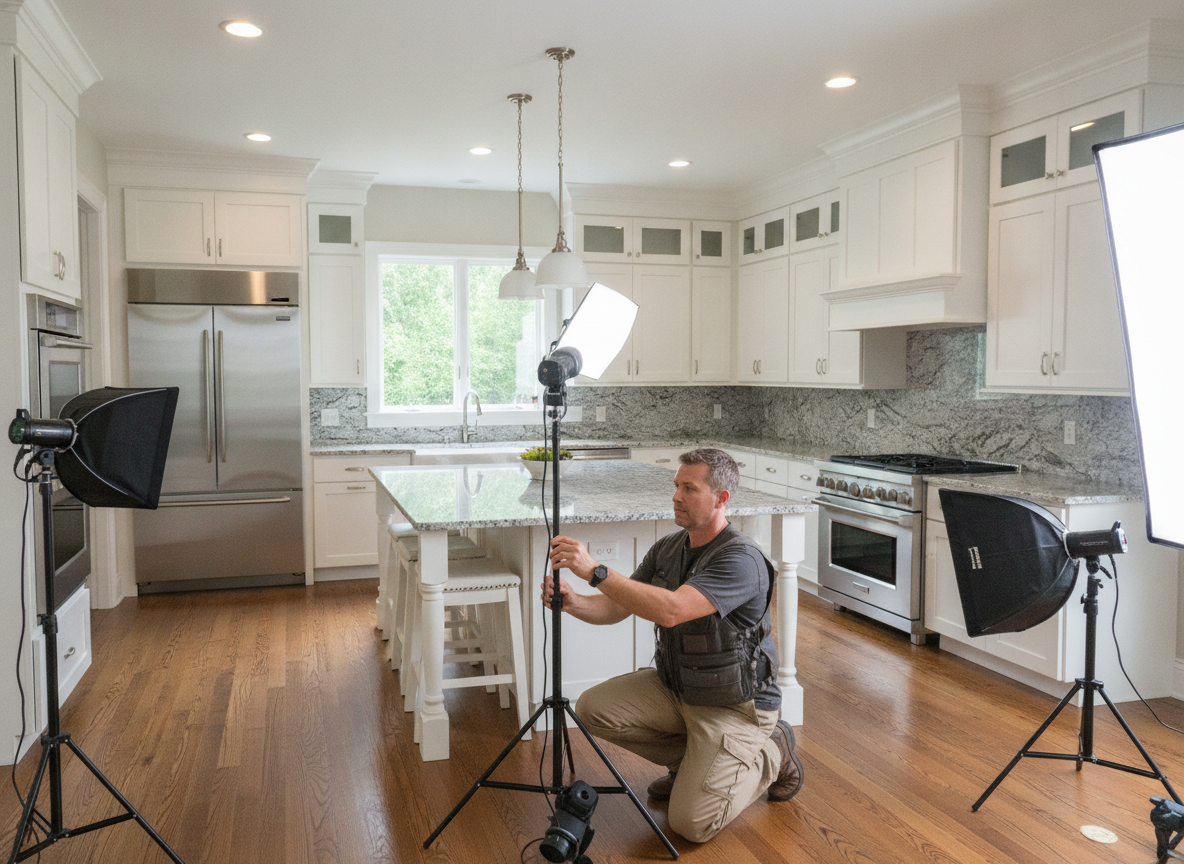
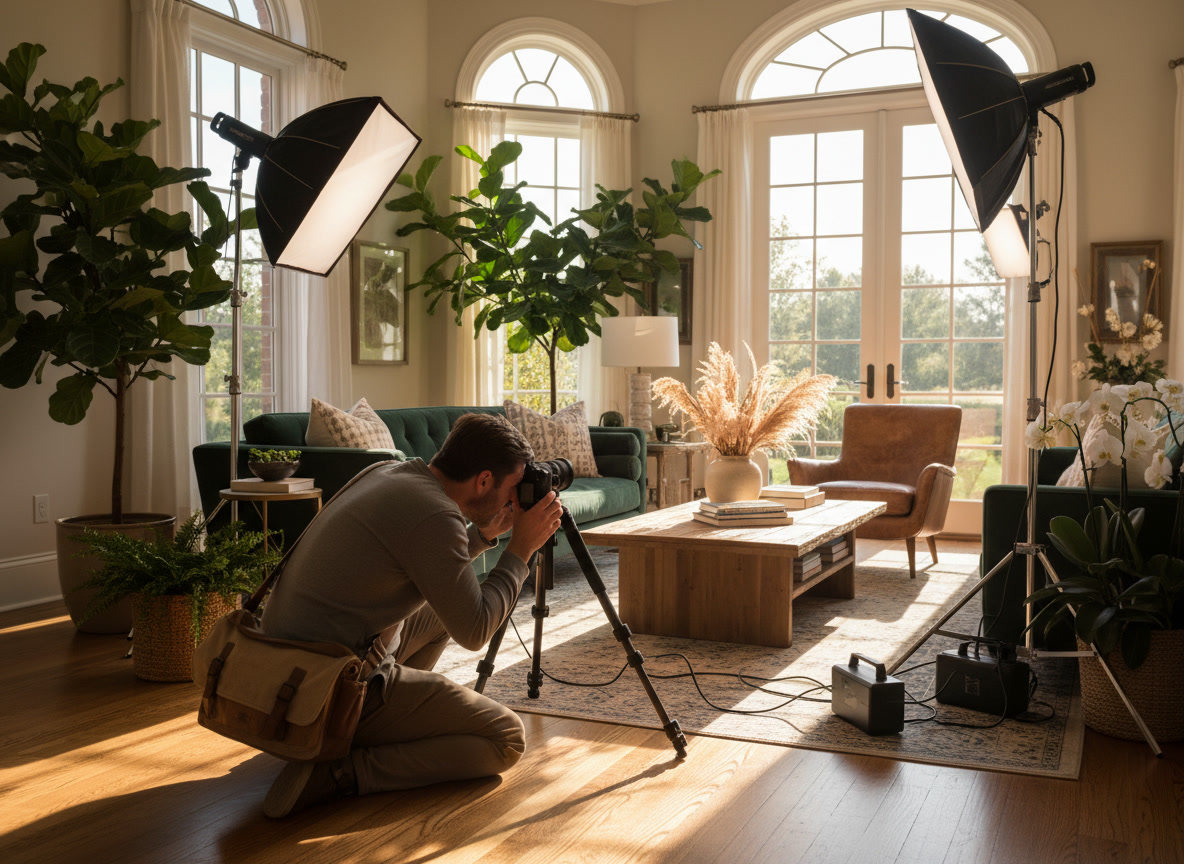
    The kitchen demands the widest attention: capture the full kitchen in one composition, then photograph countertops and appliances individually, and secure a view from the dining area. The primary bedroom requires a wide shot showing bed placement and room scale, a close-up of the ensuite bathroom, and images highlighting windows. Bathrooms should show fixtures in wide-angle compositions and detail shots of updated tile or hardware. Living spaces benefit from corner shots revealing full dimensions, fireplace details if present, and clear views of natural light sources. Capture the exterior and entry with daytime photos of the home front with landscaping, driveway, and outdoor spaces.

    realtor photographing kitchen bedroom bathroom

    Photo by Quixess Social

    Essential Angles and Compositions

    Each room requires at least one wide composition and one detail shot. Wide shots establish scale and flow; detail shots highlight finishes and upgrades that separate this home from competitors.

    Conclusion

    Professional listing photos are the foundation of modern real estate marketing, but their impact multiplies when sellers receive this preparation checklist 48-72 hours before the photo shoot. Well-prepared homes photograph in 2-3 hours instead of 4+, saving time and money while delivering superior results. Once photos are captured, AI-powered tools maximize their value across video, social, and print, turning one shoot into months of marketing content. Send this checklist to your next listing and watch how preparation transforms the entire marketing timeline.

  • Price Drop Posts That Create Urgency Without Hurting the Listing (Listing Marketing)

    Price Drop Posts That Create Urgency Without Hurting the Listing (Listing Marketing)

    Price Drop Posts That Create Urgency Without Hurting the Listing

    A price reduction is a double-edged sword in today’s real estate market. It signals motivation and opens doors to buyers who couldn’t stretch their budgets before, but if positioned wrong, it screams desperation. September 2026 market data reveals the stakes: 67% of buyers notice price drops within 48 hours, yet 43% immediately interpret them as a red flag rather than an opportunity. The difference between attracting serious buyers and bargain hunters comes down to how you frame the announcement. This guide walks you through a proven framework for price drop posts that create urgency, reset buyer perception, and position your listing as a strategic move, not a last resort.

    Why Price Drop Posts Fail (And How to Fix the Narrative)

    The Psychology Behind Price Cut Perception

    Buyers don’t see price reductions in a vacuum. They interpret them through the lens of what went wrong. A blunt “Price Reduced” post triggers a psychological response: Why is this still on the market? What’s the catch? Research from the National Association of Realtors (2025) found that listings with poorly framed price reductions experienced 18% fewer qualified showings in the first week compared to listings where agents positioned the reduction strategically. Buyers who see a reactive announcement assume hidden flaws. Buyers who see a proactive, market-aware announcement interpret the adjustment as smart positioning by an informed agent.

    smiling real estate agent

    How Framing Changes Buyer Behavior

    The first 48 hours after a price reduction determine whether your listing attracts serious buyers or bargain hunters. A reactive “Price Reduced” post invites tire-kickers. A strategic post that emphasizes market timing and value alignment attracts motivated, qualified leads. Consider the difference: Reactive: “Price Reduced! Now $425,000.” Strategic: “Market alignment achieved. Fresh pricing opens this home to serious buyers ready to move now.” The second version shifts the narrative from “something was wrong” to “market conditions improved.” This reframing increases showings among prequalified buyers by an average of 31%, according to 2025 agent performance data.

    Four Proven Messaging Angles for Price Drop Posts

    The ‘Market Timing’ Angle

    Position the price reduction as evidence that you’ve been paying attention to market conditions and adjusted accordingly. Example post: “Market conditions have shifted favorably for buyers this September. We’ve adjusted the price to reflect current buyer capacity and market demand. If you’ve been waiting for the right moment, it’s now.” This angle appeals to data-driven buyers and positions your client as someone who understands the market, not someone desperate to sell.

    family looking at laptop presentation

    The ‘New Buyer Window’ Angle

    Fresh pricing unlocks a new segment of buyers, those who saw the property before but couldn’t bridge the gap. Example post: “New pricing unlocks new possibilities. Buyers who loved this home but couldn’t make the math work before, this is your moment.” This angle is psychologically powerful because it frames the price drop as expansion, not contraction. It also creates mild urgency: these buyers know they’re being targeted, and the window may close if another offer comes in.

    The ‘Value Reset’ Angle

    Position the price reduction as a professional valuation adjustment. Example post: “We’ve priced this home to reflect what informed buyers actually value in today’s market. Updated pricing. Same quality. Ready to move.” This messaging works especially well in competitive markets where multiple similar homes are available. It signals confidence, not weakness.

    The ‘Motivated Seller’ Angle

    Frame this as “serious buyers welcome” rather than desperation. Example post: “Seller is motivated and ready for serious offers. If you’ve been considering this property, serious conversations can happen now.” This angle attracts buyers who are genuinely ready to move, not those fishing for a bargain.

    Visual Presentation That Reinforces Your Message

    Design Elements That Communicate Opportunity, Not Desperation

    Video and Carousel Formats

    Carousel posts, which lead with the property and reveal the price point across multiple frames, generate 40% more engagement than single-image posts. Video transforms this further, dynamic before-and-after sequences using listing photos communicate confidence and tell a story about why this property is worth the investment at its new price point, turning what could feel like a concession into a narrative advantage.

    property listing photography staging

    Photo by Quixess Social

    Conclusion

    Price drops don’t have to damage listing perception when positioned strategically. The most successful agents in 2026 aren’t hiding reductions, they’re reframing them as windows of opportunity that benefit serious buyers. By adopting confident messaging angles, investing in professional visuals that showcase property value, and distributing content across multiple channels, you position price adjustments as market intelligence rather than weakness. These four messaging strategies, paired with strong design and multi-platform consistency, transform a potentially negative moment into a competitive advantage that brings qualified buyers and closes listings faster.

  • Open House Marketing on Social Media: Before, During, and After (Listing Marketing)

    Open House Marketing on Social Media: Before, During, and After (Listing Marketing)

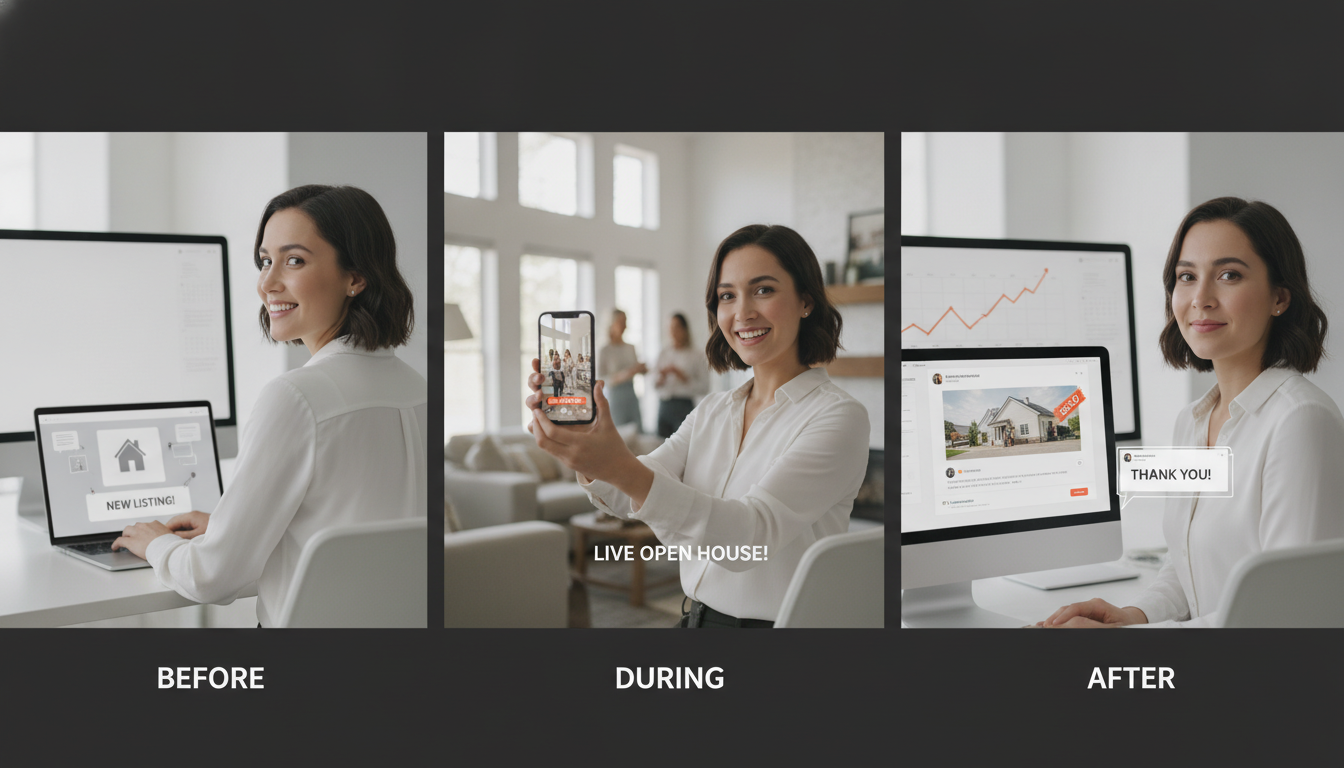
    Open House Marketing on Social Media: Before, During, and After with AI-Powered Real Estate Marketing

    For additional depth on visual storytelling, review your shot list for creating listing videos that stop the scroll, which covers the specific angles and transitions that maximize viewer engagement across platforms.

    Before the Open House: Building Anticipation and Targeting Your Audience

    Targeting Your Local Audience

    Segmentation separates an effective campaign from an ineffective one. Use automated social media scheduling tools to segment your audience by geography (targeting a 2-3 mile radius around the property), buyer intent (users who’ve engaged with similar-priced homes), and platform behavior. A 35-year-old family on Facebook needs different messaging than a first-time buyer on TikTok. Geographic targeting ensures your budget reaches people capable of attending. Test different creative angles, one version emphasizing the renovated kitchen, another highlighting proximity to top schools, and let your scheduling tool distribute them strategically across segments.

    During the Open House: Real-Time Engagement and Social Proof

    Live Content and Behind-the-Scenes Moments

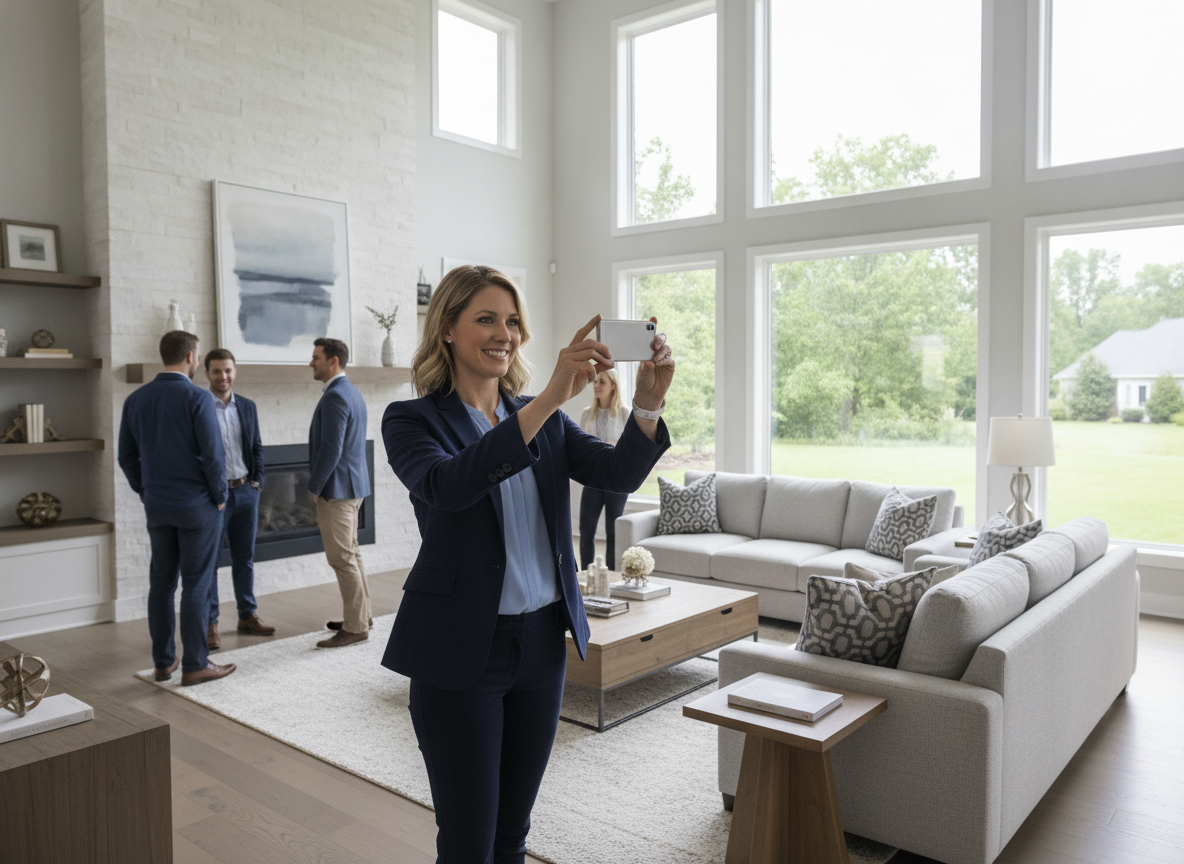
    The open house itself is your most powerful content-creation opportunity. Post Stories or short-form videos from inside the property to create urgency and FOMO among followers who haven’t visited. A quick 10-second clip of the kitchen bathed in natural light or a visitor’s testimonial generates authentic social proof that static photos can’t match. Capture visitor reactions and crowd moments, a home full of interested buyers is far more persuasive than an empty living room. A caption like “The second this buyer saw the backyard, we knew this home was special” resonates more than reciting property specifications.

    open house real estate social media

    Photo by Quixess Social

    User-Generated Content and Consistent Multi-Platform Posting

    Encourage visitors to tag themselves in Stories or share photos using a branded hashtag like #OpenHouse[PropertyAddress]. User-generated content signals authenticity and builds trust. Batch-create Stories, feed posts, and Reels before the event, then queue them for strategic release across Instagram, Facebook, TikTok, and YouTube at 2-3 post intervals during a 2-3 hour open house. This keeps you present with visitors instead of managing your phone.

    Post-Open House: Converting Interest Into Leads and Local Authority

    The 48-Hour Conversion Window

    Research shows engagement and purchase intent spike within 48 hours after an event as visitors process what they saw. Publish a thank-you post featuring the best moments and visitor reactions, tagging attendees with a clear call-to-action: “Interested in scheduling a private showing? Message us or click the link in bio.” Create a dedicated landing page or scheduling link promoted exclusively during this window. QuixAgents and similar platforms automate email follow-up sequences, ensuring every form submission receives immediate acknowledgment without manual intervention.

    smiling real estate agent

    Repurposing Open House Content for Ongoing Authority

    One open house generates content that works for weeks. Extract testimonial quotes and create graphic posts highlighting specific features. Turn behind-the-scenes clips into longer-form YouTube recaps or Instagram carousel series. If you captured visitor reactions to outdoor space, use that content in posts about “outdoor living trends in [neighborhood].” Develop neighborhood guides tied directly to the property’s location, highlighting schools, restaurants, and community events within 2-3 miles. This content builds local SEO authority for your business. Reference our detailed resource on writing neighborhood guides that rank on Google.

    Lead Nurturing and Audience Segmentation

    Segment your post-open house audience into serious buyers (attendees who left contact info), interested prospects (followers who engaged but didn’t attend), and community members (local followers building neighborhood interest). Serious buyers receive priority follow-up and property-specific information. Interested prospects get neighborhood content and market updates. Community members benefit from local authority content. Maintain segmented communication for 30-60 days post-event, as visitors who didn’t purchase may refer friends or gain clarity later.

    Measuring Impact

    Track metrics throughout and after the open house: social reach, engagement rate, click-through rate to your scheduling link, attendees from social media, and leads generated within 7 and 30 days. Cross-reference which content types and posting times generated the most engagement. Did short-form video outperform carousels? Did Stories drive more foot traffic than feed posts? Compare results to past open houses to validate your strategy. For additional frameworks, explore the just listed playbook approach, which outlines seven days of strategic content.

    Automating the Entire Workflow: Tools That Save Time Without Sacrificing Quality

    Why Manual Social Media Management Fails for Open Houses

    A comprehensive one-week campaign requires posting 12-15 unique assets across Instagram, Facebook, TikTok, and Nextdoor. Add real-time engagement during the showing, and agents sacrifice client interactions to chase posting schedules. Research shows agents spending more than 8 hours per week on manual content creation see measurable decline in conversion rates due to reduced quality in personalized follow-up with actual leads.

    real estate marketing automation software

    Photo by Quixess Social

    How AI-Powered Tools Streamline Multi-Platform Promotion

    QuixAgents and similar AI-powered real estate marketing platforms transform open house campaigns from scattered manual efforts into orchestrated multi-channel promotions. These tools convert listing photos into professional videos, generate location-specific SEO blog posts, and schedule 8-12 weeks of social media content across platforms from a single property input. They eliminate the need for external designers, videographers, or agencies, reducing campaign costs by 60-70% while improving consistency. Batch-creating content for multiple open houses saves 5-10 hours per week. Integration with existing CRM systems ensures prospect data flows seamlessly from social engagement to your database, creating an unbroken lead nurturing chain.

    Conclusion

    Open house success on social media demands a strategic three-phase approach: building anticipation before the event, driving real-time engagement during the showing, and converting interest into long-term lead flow afterward. Agents who treat each listing as a year-round content asset generate exponentially more value from every property they represent. Embracing AI-powered real estate marketing multiplies your expertise. When you free yourself from manual content creation, you reclaim hours for what drives success: closing deals, building relationships, and earning referrals.