Category: Social Media Strategy

  • Instagram Carousels for Listings: A Slide-by-Slide Formula (Listing Marketing)

    Instagram Carousels for Listings: A Slide-by-Slide Formula (Listing Marketing)

    Instagram Carousels for Listings: A Slide-by-Slide Formula for AI-Powered Real Estate Marketing

    Carousel Performance Metrics That Matter

    Meta’s algorithm prioritizes carousel completion rates, the percentage of viewers who swipe through all slides. Real estate carousels regularly achieve 4-6% completion rates, compared to 1-2% for single-post images, translating to 4x more impressions for the same listing.

    Saves and shares are equally important. Carousels are shareable, allowing buyers to send them to partners without screenshots. Save rates for property carousels run 2-3 points higher than single posts, keeping your listing in potential buyers’ collections longer. The carousel format preserves all essential information on every slide, reducing friction for interested parties.

    The 7-Slide Blueprint: What Goes Where and Why

    Slide 1: The Hook, Exterior and Price

    Your first slide is a thumbnail and headline combined. Use your home’s best exterior angle, usually street-facing in good daylight, photographed at eye level or slightly elevated. Overlay the address, bed/bath count, and price in bold text in the lower third. Example: “1847 Oakmont Drive | 4 Bed, 3 Bath | $895,000.” This slide determines whether viewers swipe at all.

    real estate carousel slides layout

    Photo by Quixess Social

    Slides 2-5: Feature Storytelling

    Showcase your property’s key spaces in strategic order: kitchen (slide 2), primary suite (slide 3), living area (slide 4), and outdoor space (slide 5). Use benefit-focused copy that describes what happens in each space, not just its features. Instead of “Modern Kitchen,” use “Chef’s Kitchen: Island Prep Space & Stainless Appliances.” A kitchen slide showing the island from a corner angle that captures seating and cooking workspace tells a story of gathering and entertaining. Each slide answers: “What can I do here?” or “How does this space improve my life?”

    Slides 6-7: Urgency and Action

    Slide 6 introduces scarcity or urgency: “Just Listed, 5 Days on Market,” “Open House Saturday 2-4 PM,” or comparable sales data. This creates a reason to act now.

    Slide 7 is always the call-to-action. Use Instagram’s native CTA stickers if possible, with direct copy: “Schedule Your Showing,” “Text TOUR to 555-1234,” or “Visit [yourwebsite].com for Details.” Make this slide visually distinct so it stands out.

    Design Consistency and Brand Authority

    Building a Recognizable Visual System

    When buyers see multiple carousels in their feed, they should recognize your listings instantly. Choose a clean sans-serif font (like Montserrat or Open Sans) and stick with it. Select a primary brand color, your logo color works well, and use it for accents and overlays on every carousel. A semi-transparent overlay in that color, placed consistently, creates a branded frame signaling professionalism.

    smiling real estate agent

    Consistency in alignment and spacing matters too. If your address and bed/bath info sits in the lower third of slide 1, that same alignment should appear on every opening slide. This repetition builds familiarity and makes your listings feel professionally managed.

    Ensuring Consistency at Scale

    Maintaining this consistency while launching multiple carousels monthly becomes labor-intensive without proper systems. Automation platforms like QuixAgents allow you to create a carousel template with your brand colors, fonts, and structure, then batch-apply it to new listings. The platform generates overlay text automatically from MLS data and creates all seven slides in minutes rather than hours of manual work.

    Your copy tone should also reflect your brand voice consistently. Whether you position yourself as luxury or accessible, that voice should flow through every carousel caption and property description. This consistency establishes authority, buyers assume you bring the same professionalism to contracts and closing logistics.

    Automation Tools That Streamline Carousel Creation

    From Photos to Polished Carousel

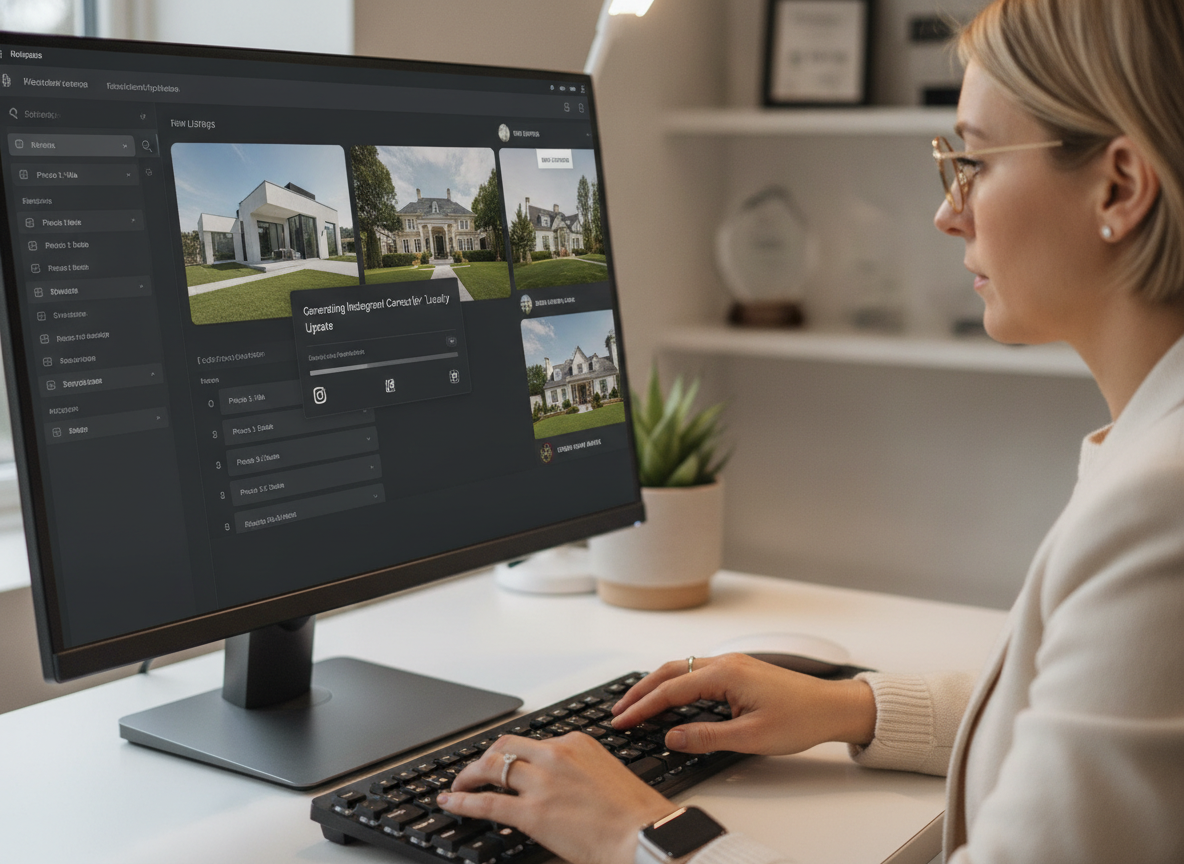
    The bottleneck for most agents is execution. AI-powered platforms like QuixAgents recognize rooms automatically and generate carousel layouts from your listing photos in minutes. Kitchen photos become slide two; master bedrooms become slide three. MLS data integration populates price, address, beds, baths, and square footage automatically across every slide, eliminating tedious manual entry.
    real estate marketing software automation

    Photo by Quixess Social

    Scheduling software lets you plan carousel drops across weeks or months. Multi-channel scheduling, Instagram, Facebook, TikTok, and Pinterest simultaneously, ensures consistent visibility without daily effort. One upload reaches your entire audience.

    Conclusion

    Instagram carousels are table stakes for agents competing on social. The 7-slide blueprint gives every listing a consistent structure that works across all price points. Combined with design consistency and automation, carousels transform raw listing photos into a scalable marketing engine that builds your brand authority with every post.

    Automating carousel creation removes design bottlenecks, freeing you to focus on showings and closing deals. Test this formula on your next three listings, measure engagement, and adjust based on which slides get the most saves and shares. Your carousel performance will compound as your brand becomes recognizable across your market. For more on structuring your overall listing content strategy, see our guide on 7 days of content from one new listing.
  • Just Sold Posts That Win Your Next Listing (Listing Marketing)

    Just Sold Posts That Win Your Next Listing (Listing Marketing)

    Just Sold Posts That Win Your Next Listing: How to Showcase Results That Convert

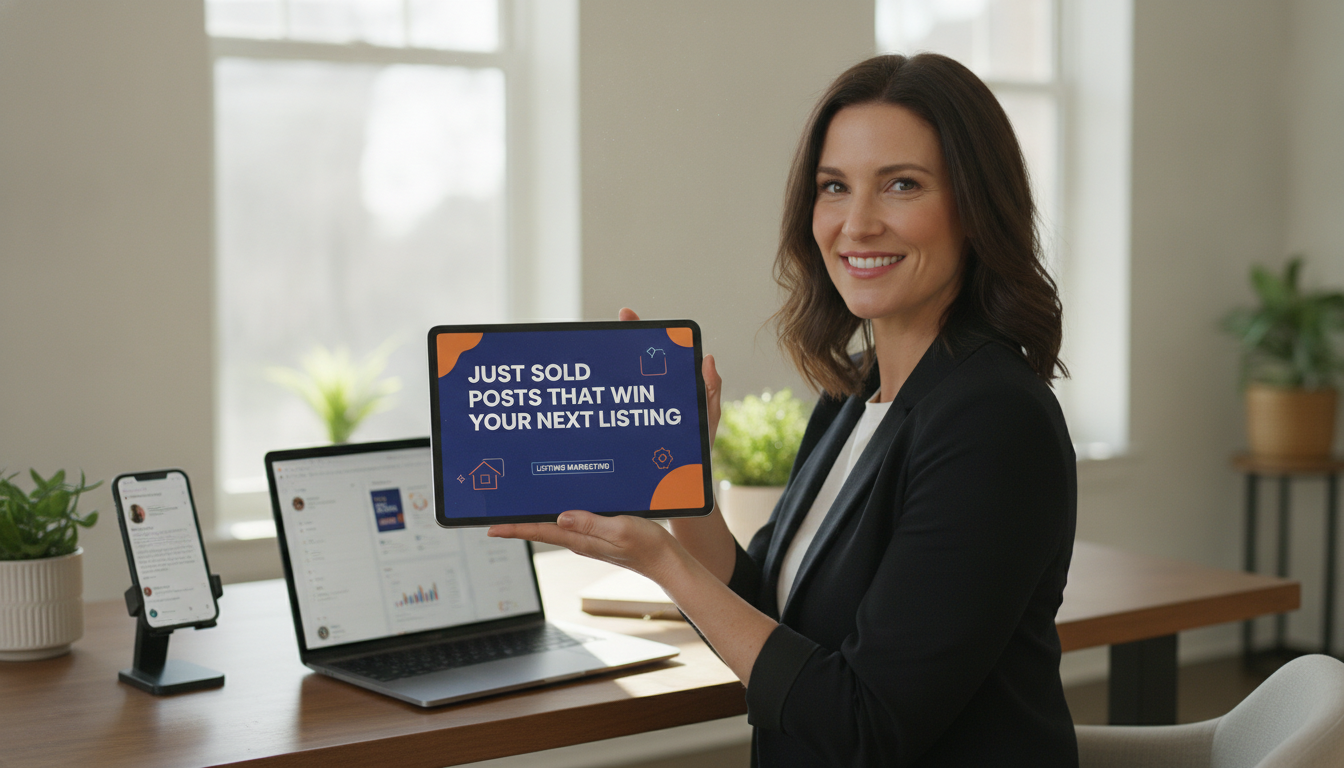
    Just sold posts prove your track record, build social proof, and signal market activity to potential sellers. Yet most agents post a single photo with a celebration caption and miss the opportunity to create a narrative that attracts qualified leads. This guide walks you through why just sold posts matter, how to structure them for conversion, and how to distribute them strategically across multiple channels to generate consistent listing leads.

    Why Just Sold Posts Matter More Than You Think

    Social Proof That Stops Scrolls

    When homeowners evaluate whether to list with you, they’re looking for evidence that you close deals. Just sold posts provide concrete proof that you successfully market, negotiate, and close transactions in their neighborhood. According to 2025 social media engagement data, real estate content showing completed sales receives 3.2x more inquiries than generic market updates.

    The Psychology Behind Showing Your Wins

    Just sold posts trigger two powerful psychological drivers: urgency and aspiration. When passive sellers see homes in their neighborhood selling, especially at strong prices, they perceive a window of opportunity. Research shows that agents who consistently post closed sales see 40% more inbound seller inquiries than those who post sporadically. Your transaction history is your most effective lead generation tool.

    The Anatomy of a Just Sold Post That Converts

    The Essential Elements Every Post Needs

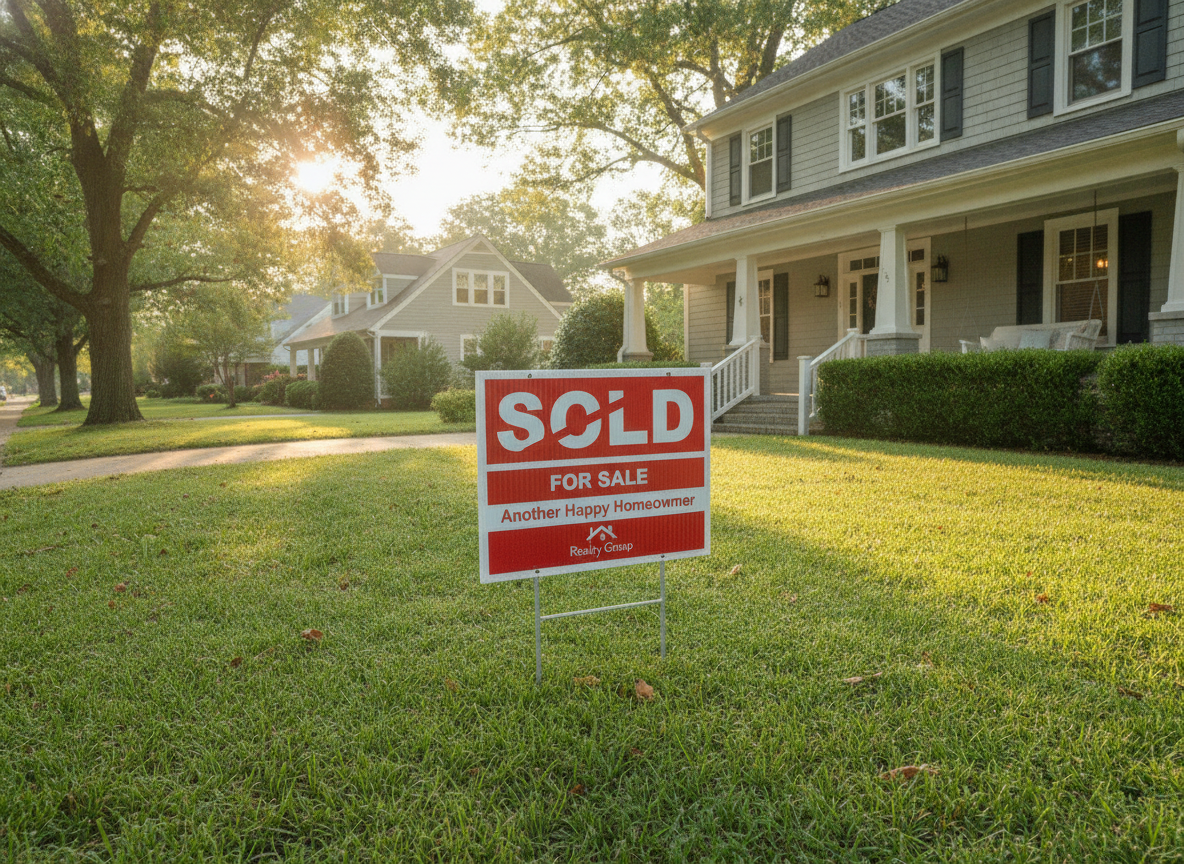
    A converting just sold post starts with immediate clarity. The price and address should be the first thing viewers see. Include three critical data points: original list price, days on market, and final sale price. For example: “Listed at $549,900 | Sold at $572,500 | 18 Days on Market” immediately demonstrates your negotiation skill and market timing.

    sold house sign real estate

    Photo by Quixess Social

    Video format dramatically outperforms photos for engagement and conversion. Research from 2025 shows video content generates 5x more engagement than single images on Instagram Reels, TikTok, and Facebook. A 15-30 second walkthrough showcases the home’s character far better than a gallery of stills.

    Crafting the Caption That Tells the Story

    Your caption should speak to your next client, not congratulate the seller. Focus on market insight: “Sellers competing against inventory? This home attracted 6 showings and multiple offers in just 18 days. Original list: $549,900 | Final price: $572,500. What’s your home worth in this market?” This positions you as a strategist and ends with a clear call to action.

    Behind-the-scenes moments create emotional connection that before-and-afters cannot. Include open house crowds, inspection day activity, or closing celebrations. These humanize the transaction and remind sellers that their home represents years of memories and financial investment.

    Multi-Channel Distribution: Getting Your Wins in Front of More Eyes

    Why One Post Isn’t Enough

    A single just sold post buried in your Instagram feed reaches only a fraction of your network. Treat each closed transaction as raw material for a content campaign across multiple platforms. Your sphere spans different audiences, some check Facebook daily; others scroll TikTok during their commute.

    smiling real estate agent

    Adapting Format for Each Platform

    Instagram Reels and TikTok thrive on fast-paced, vertical video under 30 seconds. Facebook audiences respond to longer-form content with detailed captions and photo carousels. YouTube Shorts and TikTok demand energy and personality.

    Nextdoor, often overlooked, is a goldmine for local seller leads. A just sold post here frames you as the neighborhood expert and reaches homeowners actively thinking about their property’s value. The same closing photo works, but emphasize local market data rather than your transaction process.

    Automated Social Media Scheduling for Consistency

    Platforms like QuixAgents eliminate the friction of managing multiple posting calendars. Automated scheduling ensures your just sold content lands at peak engagement times, Wednesday mornings at 9 AM for Facebook, weeknights at 6 PM for TikTok. Stories and ephemeral content add urgency, a 24-hour Instagram Story countdown encourages profile visits and reinforces activity level.

    Turning Just Sold Content Into Ongoing Authority

    Aggregate Your Results for Market Credibility

    Individual just sold posts prove you’re active, but aggregated transaction data proves you’re dominant. Monthly or quarterly roundups showcasing your volume, average sale prices, and days-on-market establish you as the market authority. A blog post titled “Q3 2026 Closed Sales Report: Northeast Neighborhood” ranks locally for searches like “homes selling in [neighborhood].”

    real estate professional speaking presentation

    Photo by Quixess Social

    Seller testimonials amplify credibility. A quote like “Sarah and Tom closed in 14 days at 96% of list price” transforms transaction data into social proof.

    Local SEO Blog Posts

    Blog posts about your closed transactions rank locally and answer search queries that bring qualified leads to your website. A blog titled “Why This Craftsman on Maple Street Sold in Two Weeks” targets the exact neighborhood and home style searchers investigate. Each blog post becomes multiple Reels, carousel posts, and stories, multiplying your reach per transaction.

    Year-End and Milestone Moments

    December is prime time for year-end recaps showcasing your annual volume, total transaction value, and price appreciation. Pinning your best-performing just sold posts to your profile homepage keeps fresh wins visible throughout the year. A seller researching agents in January sees your year-end recap showing 37 closed transactions, then scrolls to see pinned just sold posts from throughout the year. The cumulative effect is undeniable: you’re prolific and consistent.

    Conclusion

    Just sold posts are one of your most powerful marketing assets when executed strategically. The combination of compelling visuals, data-driven captions, and consistent multi-channel distribution converts passive observers into qualified seller leads. Document every closing with the intention of creating content that proves your value. Implement automated tools to ensure you maximize each transaction across all platforms. From Instagram Reels to Nextdoor announcements, each just sold post works together to establish you as the market leader your next client is searching for.

  • Open House Marketing on Social Media: Before, During, and After (Listing Marketing)

    Open House Marketing on Social Media: Before, During, and After (Listing Marketing)

    Open House Marketing on Social Media: Before, During, and After with AI-Powered Real Estate Marketing

    For additional depth on visual storytelling, review your shot list for creating listing videos that stop the scroll, which covers the specific angles and transitions that maximize viewer engagement across platforms.

    Before the Open House: Building Anticipation and Targeting Your Audience

    Targeting Your Local Audience

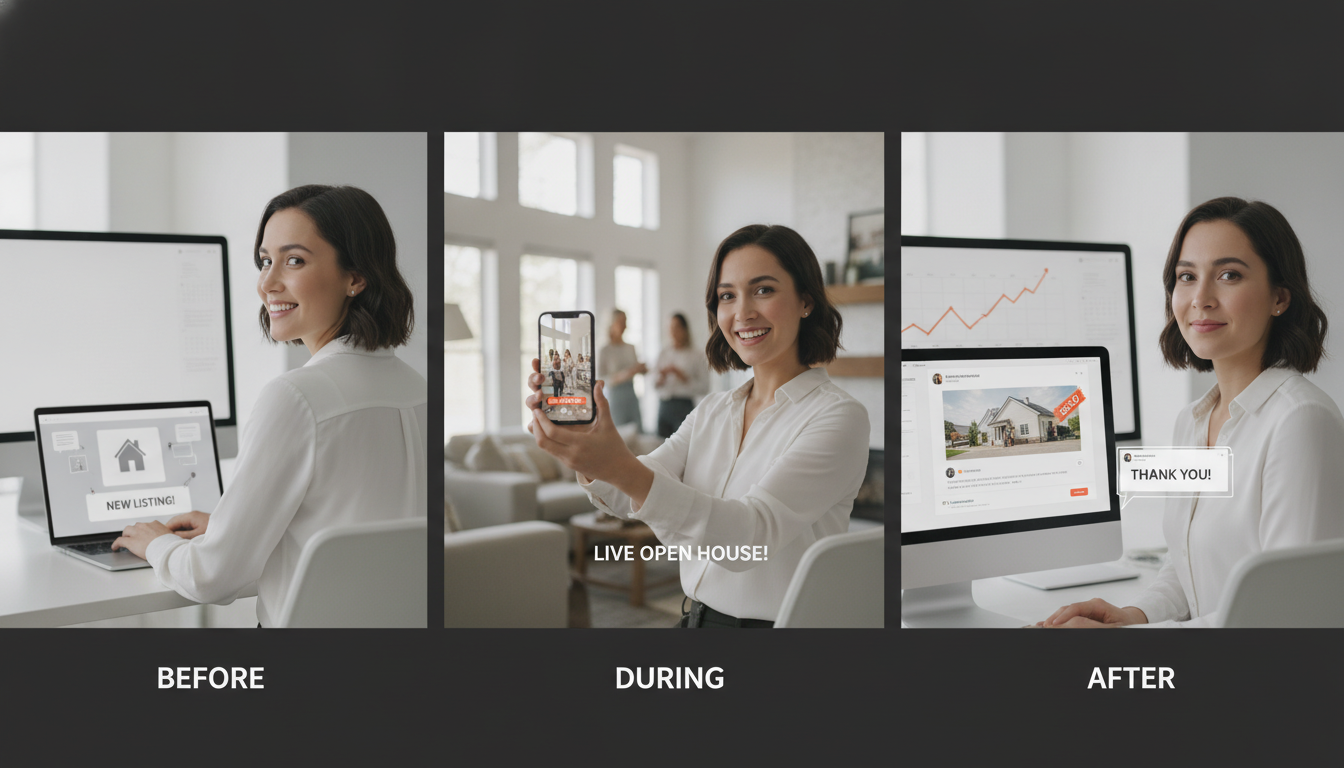
    Segmentation separates an effective campaign from an ineffective one. Use automated social media scheduling tools to segment your audience by geography (targeting a 2-3 mile radius around the property), buyer intent (users who’ve engaged with similar-priced homes), and platform behavior. A 35-year-old family on Facebook needs different messaging than a first-time buyer on TikTok. Geographic targeting ensures your budget reaches people capable of attending. Test different creative angles, one version emphasizing the renovated kitchen, another highlighting proximity to top schools, and let your scheduling tool distribute them strategically across segments.

    During the Open House: Real-Time Engagement and Social Proof

    Live Content and Behind-the-Scenes Moments

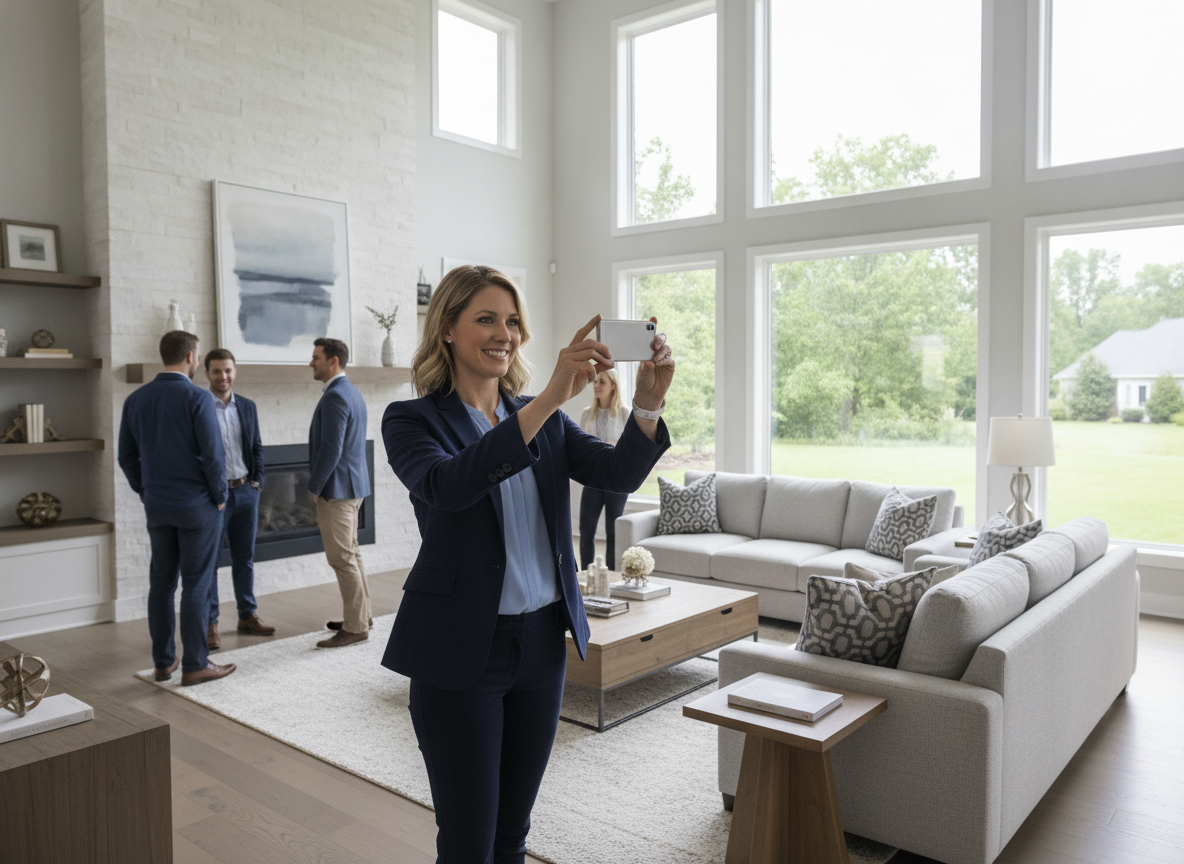
    The open house itself is your most powerful content-creation opportunity. Post Stories or short-form videos from inside the property to create urgency and FOMO among followers who haven’t visited. A quick 10-second clip of the kitchen bathed in natural light or a visitor’s testimonial generates authentic social proof that static photos can’t match. Capture visitor reactions and crowd moments, a home full of interested buyers is far more persuasive than an empty living room. A caption like “The second this buyer saw the backyard, we knew this home was special” resonates more than reciting property specifications.

    open house real estate social media

    Photo by Quixess Social

    User-Generated Content and Consistent Multi-Platform Posting

    Encourage visitors to tag themselves in Stories or share photos using a branded hashtag like #OpenHouse[PropertyAddress]. User-generated content signals authenticity and builds trust. Batch-create Stories, feed posts, and Reels before the event, then queue them for strategic release across Instagram, Facebook, TikTok, and YouTube at 2-3 post intervals during a 2-3 hour open house. This keeps you present with visitors instead of managing your phone.

    Post-Open House: Converting Interest Into Leads and Local Authority

    The 48-Hour Conversion Window

    Research shows engagement and purchase intent spike within 48 hours after an event as visitors process what they saw. Publish a thank-you post featuring the best moments and visitor reactions, tagging attendees with a clear call-to-action: “Interested in scheduling a private showing? Message us or click the link in bio.” Create a dedicated landing page or scheduling link promoted exclusively during this window. QuixAgents and similar platforms automate email follow-up sequences, ensuring every form submission receives immediate acknowledgment without manual intervention.

    smiling real estate agent

    Repurposing Open House Content for Ongoing Authority

    One open house generates content that works for weeks. Extract testimonial quotes and create graphic posts highlighting specific features. Turn behind-the-scenes clips into longer-form YouTube recaps or Instagram carousel series. If you captured visitor reactions to outdoor space, use that content in posts about “outdoor living trends in [neighborhood].” Develop neighborhood guides tied directly to the property’s location, highlighting schools, restaurants, and community events within 2-3 miles. This content builds local SEO authority for your business. Reference our detailed resource on writing neighborhood guides that rank on Google.

    Lead Nurturing and Audience Segmentation

    Segment your post-open house audience into serious buyers (attendees who left contact info), interested prospects (followers who engaged but didn’t attend), and community members (local followers building neighborhood interest). Serious buyers receive priority follow-up and property-specific information. Interested prospects get neighborhood content and market updates. Community members benefit from local authority content. Maintain segmented communication for 30-60 days post-event, as visitors who didn’t purchase may refer friends or gain clarity later.

    Measuring Impact

    Track metrics throughout and after the open house: social reach, engagement rate, click-through rate to your scheduling link, attendees from social media, and leads generated within 7 and 30 days. Cross-reference which content types and posting times generated the most engagement. Did short-form video outperform carousels? Did Stories drive more foot traffic than feed posts? Compare results to past open houses to validate your strategy. For additional frameworks, explore the just listed playbook approach, which outlines seven days of strategic content.

    Automating the Entire Workflow: Tools That Save Time Without Sacrificing Quality

    Why Manual Social Media Management Fails for Open Houses

    A comprehensive one-week campaign requires posting 12-15 unique assets across Instagram, Facebook, TikTok, and Nextdoor. Add real-time engagement during the showing, and agents sacrifice client interactions to chase posting schedules. Research shows agents spending more than 8 hours per week on manual content creation see measurable decline in conversion rates due to reduced quality in personalized follow-up with actual leads.

    real estate marketing automation software

    Photo by Quixess Social

    How AI-Powered Tools Streamline Multi-Platform Promotion

    QuixAgents and similar AI-powered real estate marketing platforms transform open house campaigns from scattered manual efforts into orchestrated multi-channel promotions. These tools convert listing photos into professional videos, generate location-specific SEO blog posts, and schedule 8-12 weeks of social media content across platforms from a single property input. They eliminate the need for external designers, videographers, or agencies, reducing campaign costs by 60-70% while improving consistency. Batch-creating content for multiple open houses saves 5-10 hours per week. Integration with existing CRM systems ensures prospect data flows seamlessly from social engagement to your database, creating an unbroken lead nurturing chain.

    Conclusion

    Open house success on social media demands a strategic three-phase approach: building anticipation before the event, driving real-time engagement during the showing, and converting interest into long-term lead flow afterward. Agents who treat each listing as a year-round content asset generate exponentially more value from every property they represent. Embracing AI-powered real estate marketing multiplies your expertise. When you free yourself from manual content creation, you reclaim hours for what drives success: closing deals, building relationships, and earning referrals.