How to Market a Listing That Has Been Sitting Too Long: A Multi-Channel Strategy
A listing that sits on the market for months sends a powerful signal to buyers: something is wrong. Whether it’s the home itself or a missed marketing strategy, stale listings carry psychological weight that price cuts alone cannot overcome. This guide walks you through a multi-channel strategy that repositions stale listings through fresh video content, local search authority, and automated cross-platform presence.
Why Stale Listings Lose Momentum, and How to Restart It
The Psychology of Days-on-Market
Buyer perception shifts dramatically after a listing reaches 30-60 days on the market. Research shows homes lingering beyond this window carry a stigma. Buyers start asking: Why hasn’t this sold? Is there structural damage? The longer a home sits, the more scrutiny it faces and negotiating power shifts to buyers.
The first 30 days generate the majority of serious inquiries. After that window closes, traffic drops sharply even if the property remains competitively priced. Price reductions don’t reach new buyers; they reinforce the perception that the home is undesirable. The solution is repositioning through fresh creative and new audience reach.
Rebuild Appeal with Video Content That Speaks to Today’s Buyer
Video Formats That Perform When Static Photos Have Already Failed
Buyers scrolling social feeds ignore static images, especially if they’ve already seen them during the listing’s initial launch. Vertical video formats like Reels, Shorts, and TikTok reach younger buyer pools and first-time buyers who may not have engaged with the original listing push.
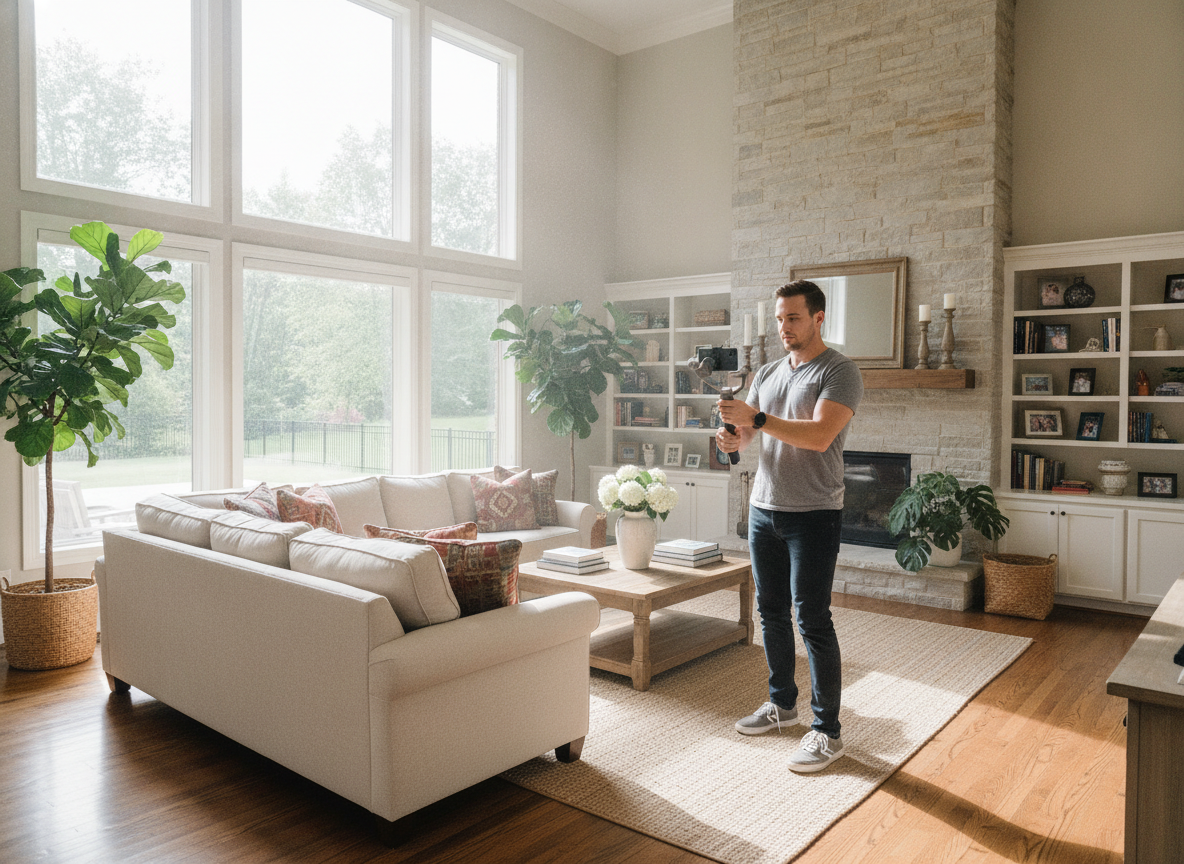
Photo by Quixess Social
A fresh 30-second listing video resets the “new listing” feel, even though the home has been on market for months. Visual movement, music, and narrative framing create emotional connection that static posts cannot replicate.
Tools That Turn Existing Listing Photos Into Scroll-Stopping Content
Automated real estate video creation tools transform photo galleries into polished walkthroughs with motion, music, and overlays in minutes. QuixAgents turns existing listing photos into videos without requiring drone footage or professional editing, delivering ready-to-post vertical videos optimized for each social channel.
This matters for stale listings because speed is critical. You don’t have time to reshoot; you need new assets live within days. A 15-photo listing becomes five different 30-second videos highlighting the kitchen, primary suite, outdoor space, walkthrough tour, and neighborhood context, each reaching different buyer segments.
Claim Local Search Authority to Put Your Listing Back in Front
Local SEO as a Listing Revitalization Tool
Stale listings often remain invisible in local search because agents haven’t invested in building neighborhood authority. When a property sits longer than expected, new buyers still search for neighborhoods. A buyer typing “homes for sale in Riverside” needs to find your content, and your listing should appear alongside it.

Local SEO blog content repositions your listing as part of a larger market narrative. Publishing neighborhood guides signals to Google that your agency understands that area, building authority that keeps listings visible during slower sales cycles.
Neighborhood Content That Ranks and Drives Qualified Traffic
Create a comprehensive neighborhood guide for the area where your stale listing sits, optimized for local search intent. When that guide ranks, buyers researching the area land on your content first, see your listing featured, and engage with your market knowledge.
For example, a guide titled “The Complete Guide to Riverside: Schools, Parks, and Neighborhood Character” targets buyers searching for community information. QuixAgents can generate these guides from property data and neighborhood details, ensuring they’re optimized for Google ranking. Publishing this content establishes your listing within a broader market context, shifting perception from “this house has been sitting” to “this is an active listing in a neighborhood I’m an expert in.”
Automate Your Presence Across Every Channel Without Burning Out
The Cost of Manual Social Media Scheduling
Relaunching a stale listing demands consistent posting across Instagram, Facebook, TikTok, and YouTube. Manual scheduling consumes hours every week. For most agents juggling multiple listings, this becomes a bottleneck. An agent earning $100,000 annually spends roughly $50 per hour on administrative work. Four hours weekly on manual social scheduling costs $10,000 per year in lost productivity.
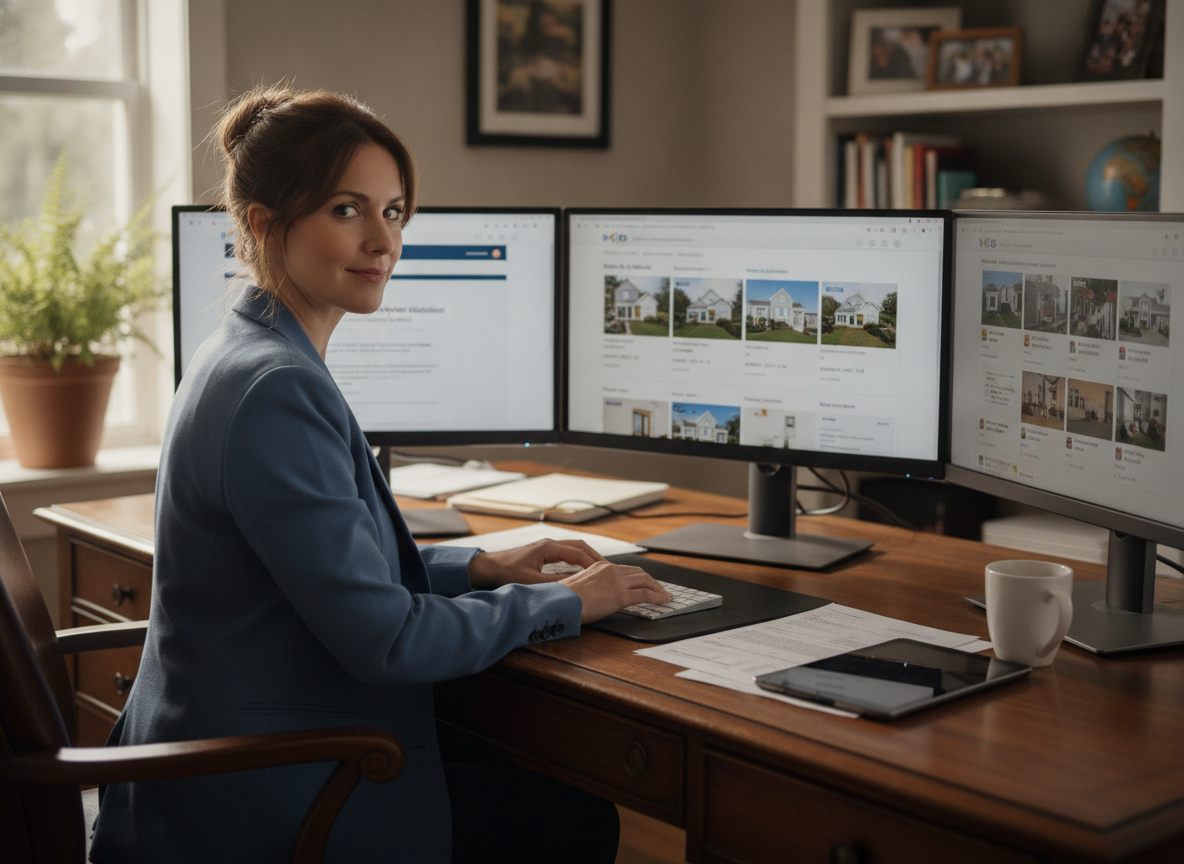
Photo by Quixess Social
How Agents Scale Consistent Posting Without the Admin Work
Automated social media scheduling tools designed for real estate allow agents to plan multi-platform campaigns from a single dashboard. Once video and blog content are created, batch-create posts, set publication dates across all channels, and let automation handle distribution. Consistent, daily visibility rebuilds momentum and signals to algorithms that the listing is actively marketed.
Sporadic viral posts generate noise; consistent posting over weeks generates algorithm trust and buyer familiarity. A stale listing needs sustained visibility more than flashy one-off content. Automation ensures every piece of newly created content reaches maximum audience without requiring daily manual effort.
Conclusion
A stale listing demands a complete marketing restart, not merely a price reduction. Video content breathes new life into tired imagery and reaches buyers scrolling social platforms. Local SEO blog posts establish market authority and bring qualified traffic directly to your listing. Automated scheduling ensures this renewed creative effort sustains momentum every day.
The combination of video creation, neighborhood content generation, and multi-channel automation allows agents to reposition listings faster and more professionally. Agents who move quickly with fresh creative assets and expanded search visibility can recover momentum and reach buyers who missed the initial launch window.
Start today: Identify your longest-sitting listing, create a 60-second property video, publish a neighborhood guide optimized for local search, and schedule a two-week content plan across your social channels.